Bobby Brown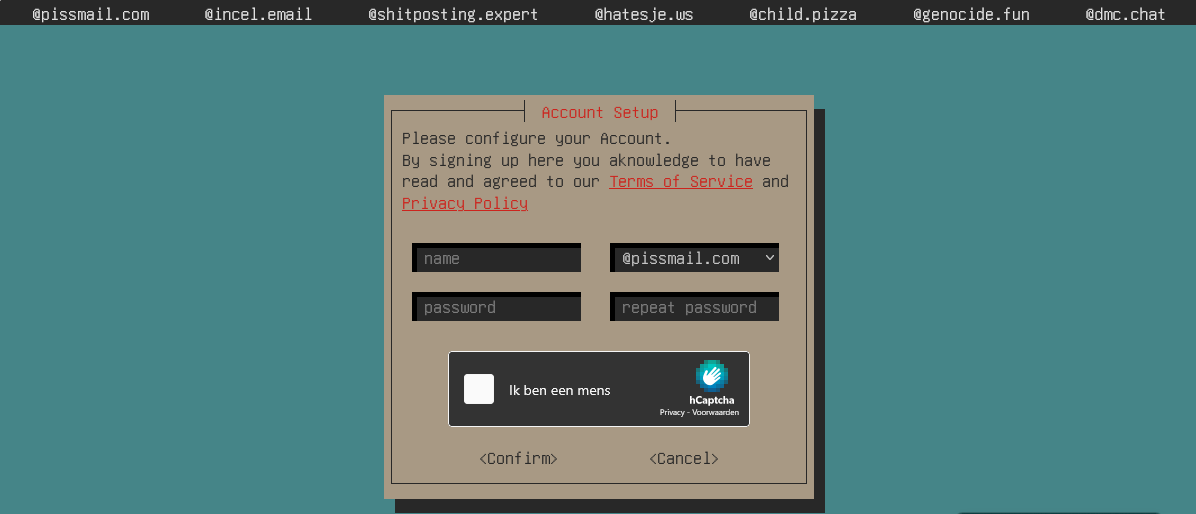
Pissmail DarkWeb Email is an anonymous email service that operates within the dark web, catering to individuals seeking a secure and private means of communication. With increasing concerns about online privacy and surveillance, Pissmail has emerged as a viable solution for users who wish to keep their identities hidden from prying eyes. Designed to maintain confidentiality, this dark web email service emphasizes anonymity, allowing users to communicate without revealing personal information.
Unlike standard email services that require identifiable information, Pissmail allows users to create accounts without the necessity of linking to personal data, thus ensuring a greater level of privacy. This characteristic makes it attractive to a range of demographics, including whistleblowers, activists, and individuals living under restrictive regimes, who are all in need of safe communication channels.
Accessing Pissmail typically involves entering the dark web using specialized software such as Tor, which anonymizes user traffic and allows for secure browsing. Users must navigate to the Pissmail website through a .onion domain, which is exclusive to the Tor network. Such measures reinforce the service’s commitment to user anonymity and privacy.
In the broader context of dark web services, Pissmail fits alongside various platforms that prioritize security and user freedom.
Free and Anonymous: How Pissmail Darkweb Email Protects Your Identity
Pissmail offers an intriguing solution for users seeking a secure and anonymous email service, particularly within the constraints of the dark web. At the core of Pissmail’s anonymity is the use of encryption techniques and anonymity networks, allowing users to send and receive emails without the fear of surveillance or identity exposure.
The service utilizes a combination of technologies, including Tor, which routes user connections through a series of volunteer nodes, effectively masking their IP addresses. By integrating with such platforms, Pissmail enhances user anonymity, making it difficult for external entities to trace communications back to individual users.
The implications of this level of anonymity are multifaceted. On one hand, such privacy measures empower users by providing a platform for free expression and secure communication, essential for whistleblowers, journalists, and individuals expressing dissent in oppressive regimes. Criminal elements can exploit Pissmail’s anonymity to engage in illegal activities, complicating the overall perception of such services.
While Pissmail’s protective measures facilitate legitimate uses, they also highlight the ongoing dilemma of maintaining user privacy without facilitating harmful actions. As users increasingly employ this dark web email service, it becomes imperative to tread carefully in evaluating both the benefits and potential risks associated with such anonymity.
Available Domains and Customization Options on Pissmail DarkWeb Email
Pissmail, an email service operating in the dark web, offers a range of free email domains to cater to the diverse needs of its users. Notable among these is pissmail.com, which serves as the primary domain for users seeking a straightforward and recognizable email address. The domain is especially popular among those wanting to maintain anonymity while communicating. Additionally, domains like hatesje.ws and incel.mail offer unique implications and cater to specific subcultures, providing users with options that resonate with their identities or preferences.
The hatesje.ws domain, for instance, might be chosen by individuals expressing dissent toward mainstream ideologies, while incel.mail could appeal to a more niche audience aligned with the “involuntary celibate” community. These domains enhance the overall appeal of Pissmail by allowing users to select addresses that embody their sentiments or affiliations. This customization aspect reinforces the service’s commitment to anonymity while also providing a layer of personalization that many users value.
Moreover, Pissmail’s customization options extend beyond simple domain selection. Users can create aliases, permitting them to manage multiple identities within the same account. This capability is particularly advantageous for individuals who wish to separate different aspects of their lives—be it personal, professional, or social. Furthermore, managing multiple accounts facilitates better organization and control over one’s correspondence, which is essential in an environment that prioritizes privacy. The ability to customize one’s experience with Pissmail contributes significantly to its attractiveness as a tool for anonymous communication within the dark web.
The Dark Side of Anonymous Email Services
As society increasingly values privacy and online anonymity, services like Pissmail darkweb email have emerged as tools for individuals seeking to shield their identities. The fundamental appeal of such platforms lies in their ability to protect users from surveillance and provide a safe space for unrestricted communication.
One of the primary concerns surrounding anonymous email services is their potential misuse. While many users rely on platforms like Pissmail to communicate freely about sensitive matters—such as political dissent or whistleblowing—these services can also attract individuals intent on engaging in malicious activities. Instances of harassment, cybercrimes, and scams are prevalent on the dark web, facilitated by the very anonymity that attracts legitimate users.
Moreover, the balance between freedom of expression and responsible behavior is critical in discussions about the ethical implications of anonymous email services. While the ability to speak freely without fear of reprisals is a hallmark of a democratic society, it can also foster environments where cyberbullying and criminal activities thrive. This duality poses a challenge for both users and service providers, necessitating a thoughtful approach to moderation and privacy laws that protect individuals without stifling essential freedoms.
In conclusion, while anonymous email services like Pissmail offer privacy protection and facilitate open communication, they also harbor significant risks. Users must navigate the ethical landscape carefully, weighing their need for privacy against the potential consequences of anonymity. A greater understanding of these dynamics is essential for fostering a responsible digital environment.