Bobby Brown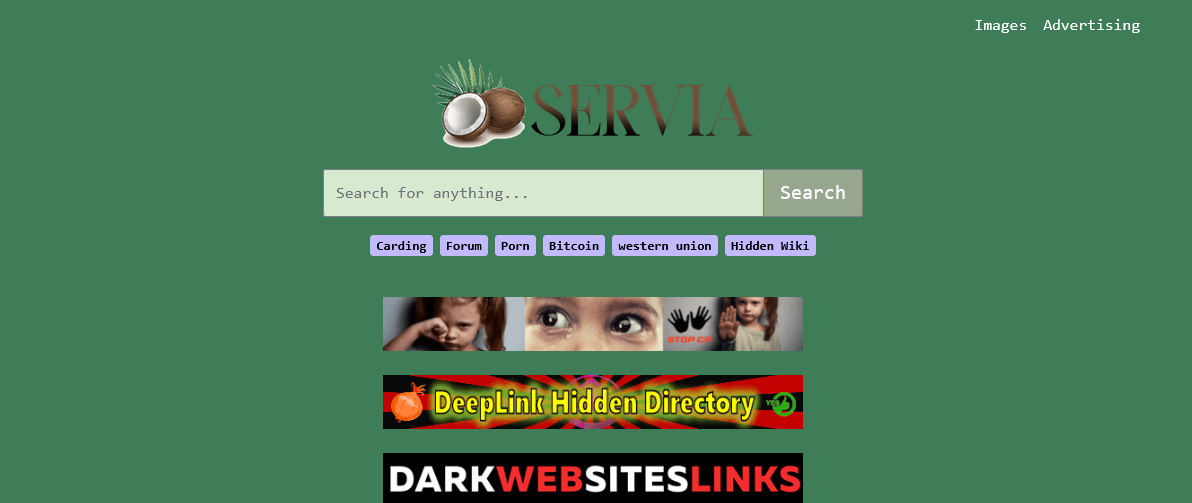
Servia Darkweb Search Engine stands out as an uncensored dark net search engine. Unlike these mainstream platforms, Servia offers a unique gateway to the deep web, allowing individuals to explore a vast network of hidden resources without the constraints commonly imposed by conventional internet navigation.
As online surveillance becomes more prevalent, the need for tools that safeguard user anonymity has surged. Servia addresses this demand by not only facilitating access to hard-to-find web content but also prioritizing users’ privacy. By utilizing This dark web search engine, users can remain anonymous while searching for information that may be sensitive or illegal on the surface web.
Furthermore, the essence of freedom in information access remains one of the core principles behind Servia. In a world where censorship can shape the flow of information and limit people’s access to ideas, having an unobstructed channel for exploring diverse perspectives can empower individuals. Servia embodies this principle by linking users to unfiltered content that frequently offers insights into pressing social, political, and economic issues worldwide.
As we delve deeper into the functionalities and features of Servia, it is crucial to understand how this dark web search engine operates and the implications it holds for users who prioritize their privacy and seek a truthful representation of information without boundaries.
How Servia Darkweb Search Engine Works
Servia is a pioneering dark web search engine that leverages advanced technologies to index and retrieve information from the deep web, emphasizing user privacy and security. At its core, Servia utilizes sophisticated algorithms designed explicitly for the complexities of the dark net. Unlike traditional search engines that rely on crawlers to index well-structured content on the surface web, Servia navigates the significantly unstructured and often hidden layers of the internet.
The first key component of Servia’s functionality is its unique indexing system. Servia employs a decentralized architecture that allows users to interact with the platform while maintaining their security and privacy. Encryption techniques are integral to its operation, shielding user data from potential interception.
A comparison with Tordex, another search engine that shares a comparable design philosophy, highlights key differences.
Moreover, Servia includes built-in privacy features, such as automatic VPN connections and session anonymization tools, which are not universally common in the dark net search engine landscape. By providing users with a safer and more private search experience, Servia stands out as a key player in the quest for privacy and freedom on the dark web.
Utilizing the Servia darkweb search engine offers numerous benefits, particularly to individuals who prioritize their privacy and seek out uncensored information. One of the primary advantages of using Servia is the anonymity it provides to users. In an era where data privacy is increasingly under threat from various surveillance practices, employing Servia enables individuals to navigate the dark web without revealing their identities. This anonymity is crucial for those who wish to conduct sensitive research or communicate freely without fear of repercussion.
Furthermore, the decentralized nature of the servia darkweb search engine allows for a more resilient and robust search experience. Decentralization reduces the likelihood of censorship and manipulation, empowering users to explore diverse perspectives and uncover hidden content. Users, ranging from privacy advocates to those involved in social activism, can leverage Servia to source information that supports their causes. Overall, Servia stands out as a vital resource for anyone seeking a secure means to explore the vast complexities of the dark web.
Cautions and Considerations
While the servia darkweb search engine offers unprecedented access to information and resources often not available on the surface web, users must approach these digital waters with caution. The dark web is notorious for harboring illegal activities, including but not limited to illicit drug sales, illegal weaponry, and other criminal enterprises. Understanding this environment is critical; users should recognize that engaging with certain content may not only be unethical but also illegal, depending on jurisdiction. Hence, a clear comprehension of what constitutes harmful or illegal activities on the dark web is essential.
Users may inadvertently expose themselves to malware, scams, or phishing attempts disguised as legitimate offers or services. As such, it is imperative to take necessary precautions, including using Virtual Private Networks (VPNs) to anonymize one’s online activity and employing reliable security software to safeguard personal data.
For a safer browsing experience, users should limit their interactions with unknown websites and avoid downloading files from untrustworthy sources. Familiarizing oneself with reputable forums and communities that discuss safe practices on the dark net can provide invaluable insights. Additionally, users should be cautious about sharing personal information, as anonymity is one of the core tenets of dark web usage.
In conclusion, while the servia darkweb search engine serves as a gateway to unique content, it is paramount that users remain vigilant and informed about the inherent risks and ethical implications of navigating this clandestine side of the internet. With careful planning and mindful practices, individuals can mitigate risks while exploring the dark web effectively.