Bobby Brown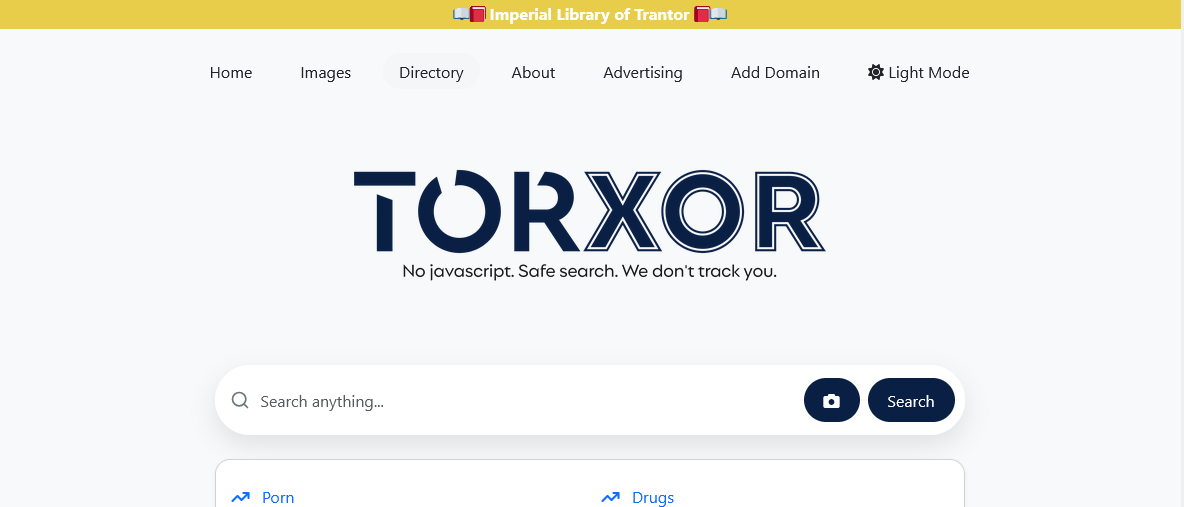
Torxor DarkWeb Search Engine aims to provide a seamless experience that encourages exploration without the fear of surveillance or censorship. This search engine operates similarly to Tordex , known for its user-friendly interface and comprehensive search capabilities.
One critical aspect of Torxor is its focus on providing a decentralized platform, enabling users to bypass the restrictions often faced on conventional search engines. By leveraging a robust network of Tor nodes, Torxor ensures that users can search for sites and content without compromising their identity. This operating framework not only promotes a higher degree of confidentiality but also aligns with the values of the dark web, prioritizing privacy for its users. Moreover, Torxor integrates advanced search algorithms to deliver more relevant results tailored to users’ queries.
What sets Torxor apart in a saturated market of dark net search tools is its commitment to creating a safe environment for exploration. Unlike many of its competitors, Torxor continuously updates its indexing methods, allowing it to adapt to the ever-changing landscape of the dark web effectively. Users can also benefit from a variety of filters and search features that enhance the overall searching experience, ensuring that more obscure sites are easily accessible. Ultimately, Torxor positions itself as a reliable grey area tool, striving to meet the demands of those seeking information beyond the mainstream internet.
Privacy and Security Features of Torxor DarkWeb Search Engine
The Torxor darkweb search engine is engineered with advanced privacy and security measures aimed at providing users with a safe experience while navigating the complexities of the dark web. One of the most critical aspects of this platform is its commitment to user anonymity. By leveraging the unique capabilities of the Tor network, Torxor enables users to browse the deep web without revealing their IP addresses. This level of anonymity is paramount for users seeking to access information freely, without the concern of being tracked or surveilled by external entities.
In addition to masking IP addresses, Torxor employs robust encryption protocols to protect user data. All searches conducted through the search engine are shielded from potential interception, ensuring that any sensitive information remains confidential. This focus on secure data handling adds an additional layer of protection for users, fostering a sense of security while they explore various dark web sites.
Moreover, the search engine proactively mitigates the risk of exposing users to malicious content. Torxor incorporates advanced filtering mechanisms to screen out potentially harmful websites, thereby guiding users toward legitimate and reputable resources. This effort not only enhances user safety but also underscores the importance of accessing reliable information in an environment where misinformation can proliferate.
For individuals who prioritize information freedom and self-protection, the privacy and security features of Torxor are invaluable. In an era where digital footprints are extensively monitored and privacy increasingly compromised, utilizing a search engine designed to safeguard user anonymity can empower individuals to navigate the dark web more confidently. Through its innovative approach to user protection, Torxor stands as a pivotal tool for those seeking to explore uncensored information in a secure manner.
The Ethical Implications of Accessing the Dark Net
The advent of dark net search engines, such as Torxor, offers both opportunities and challenges that warrant careful ethical consideration. These platforms allow users to access a vast range of information and services that are often uncensored and unregulated, leading to a complex landscape of potential risks and benefits. One might argue that dark net search engines promote freedom of information, giving a voice to those in oppressive regimes or individuals seeking privacy in their communications. However, this same access can facilitate the sharing of illicit content, including illegal drugs and extremist material.
From a legal standpoint, the use of dark web search engines raises significant questions regarding liability and accountability. Users must navigate the blurred lines between legitimate exploration and unlawful behavior. While simply accessing Torxor may not be illegal in many jurisdictions, the activities that users may engage in can lead to serious legal repercussions. Users must consider the possibility of becoming unwitting participants in illegal transactions or unintentional exposure to harmful content.
Furthermore, it is crucial to examine the responsibilities of individuals who access uncensored content on platforms like Torxor. Users must cultivate a strong sense of ethics and reflect on their motivations for accessing certain information. This reflection should include an evaluation of the impact their actions may have on others. For every benefit, such as whistleblowing or sharing uncensored news, there is the potential for harm, including the spread of hate speech or the perpetuation of criminal networks.
Ultimately, the ethical implications of using dark net search engines require a nuanced understanding of the interplay between freedom of information and the responsibilities that accompany it. As society grapples with these issues, engaging in open dialogues will be critical to navigating the complexities involved.