Bobby Brown
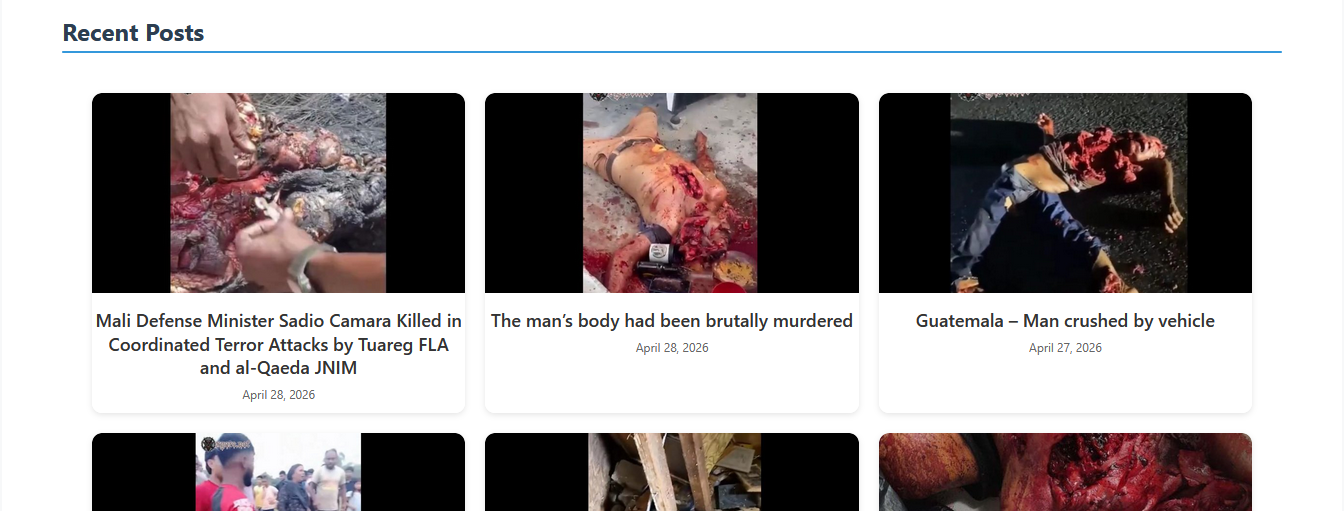
Gorecenter.com serves as a comprehensive platform for individuals captivated by the themes of gore and death. The website has emerged as a significant online destination where enthusiasts can immerse themselves in various types of content centered around these themes. From thought-provoking articles to insightful reviews, Gorecenter.com addresses the multifaceted interests of its audience, providing a unique blend of education and entertainment.
The articles featured on the site delve into numerous aspects related to gore culture, including film reviews, literary analyses, and discussions about the psychological implications of gore in media. This extensive coverage helps enthusiasts understand the intricacies of what draws them to such themes, fostering a deeper appreciation for the genre.
Furthermore, Gorecenter.com hosts an active forum where fans can congregate to share their thoughts, recommendations, and personal experiences related to gore and death. This interactive element cultivates a sense of community among users, allowing them to connect over shared interests. Members can discuss recent releases in the horror genre, recommend hidden gems, or even explore the nuances of gore art, emphasizing the website’s role as a hub for like-minded individuals.
In addition to articles and forums, Gorecenter.com features reviews of films, games, and literature that exemplify the core elements of gore. These reviews not only highlight popular works but also uncover lesser-known titles that may appeal to dedicated followers of the genre. The combination of varied content offerings establishes Gorecenter.com as a premier location for enthusiasts seeking to expand their knowledge and engage in meaningful conversations around gore and death.
The Impact of Gore on Popular Culture
The gore genre has significantly influenced mainstream media, affecting various forms of entertainment, including movies, television shows, music, and video games. The critical appeal of gore and death often serves a dual purpose: it aims to shock audiences while also challenging societal norms regarding violence and morality. Over the years, these representations have evolved, revealing society’s fluctuating tolerance and fascination with themes of mortality and brutality.
Later, franchises such as ‘Saw’ and ‘Hostel’ took this to another level, embedding extreme violent imagery into their storytelling, solidifying the notion that gore and death could be pivotal elements of suspense and horror. This surge of gore in films has also paved the way for discussions about censorship and the boundaries of taste in entertainment; regulatory boards often grapple with determining the appropriate limits of violence depicted on-screen.
Television shows like ‘American Horror Story’ and ‘The Walking Dead’ have not only embraced gore, but they also explore complex themes surrounding it, such as morality, survival, and the human psyche. The depiction of explicit violence and flesh-ripping scenes alongside psychological horror captivates viewers, compelling them to examine their own perceptions of fear and aversion. In video games, titles such as ‘Resident Evil’ and ‘Mortal Kombat’ exemplify how interactive experiences can intensify one’s relationship with gore, inviting players to engage with violence on a visceral level.
Moreover, music videos in various genres, especially metal and hardcore, often employ gore aesthetics to amplify the themes of death and tragedy. These representations not only serve as a form of artistic expression but also contribute to the broader cultural discourse on violence, enabling creators and audiences alike to confront their fears and fascinations through the lens of art.

The Future of Gore in Media and Culture
As platforms such as Gorecenter.com continue to showcase the visceral impact of gore and death in storytelling, they also reflect changing viewer expectations. Today’s audiences often desire content that not only entertains but also provokes thought and dialogue about the nature of horror and violence in entertainment.
Technological advancements in special effects play a significant role in this evolution. Filmmakers can now create hyper-realistic portrayals of gore and death, captivating audiences while pushing the boundaries of what is perceptible. Innovations such as virtual reality are further offering immersive experiences; audiences can interact with terrified characters and gruesome scenarios, engaging in new narrative forms that redefine the genre.
Additionally, societal attitudes towards violence in entertainment are shifting. This shift may lead to narratives that examine the psychological impact of violence, rather than simply showcasing it for shock value. Consequently, new storytelling methods might emerge that encourage reflection alongside horror, making the gore genre more multifaceted.
In conclusion, the future of gore in media and culture hinges on the intersection of technology, audience engagement, and societal attitudes. As these elements evolve, they will undoubtedly influence the portrayal of gore—transforming it into an experience that encapsulates the complexities of human emotion and societal concerns. With these advancements, the gore genre may emerge rejuvenated, intriguing future generations and keeping the dialogue on media and violence alive and relevant.