Bobby Brown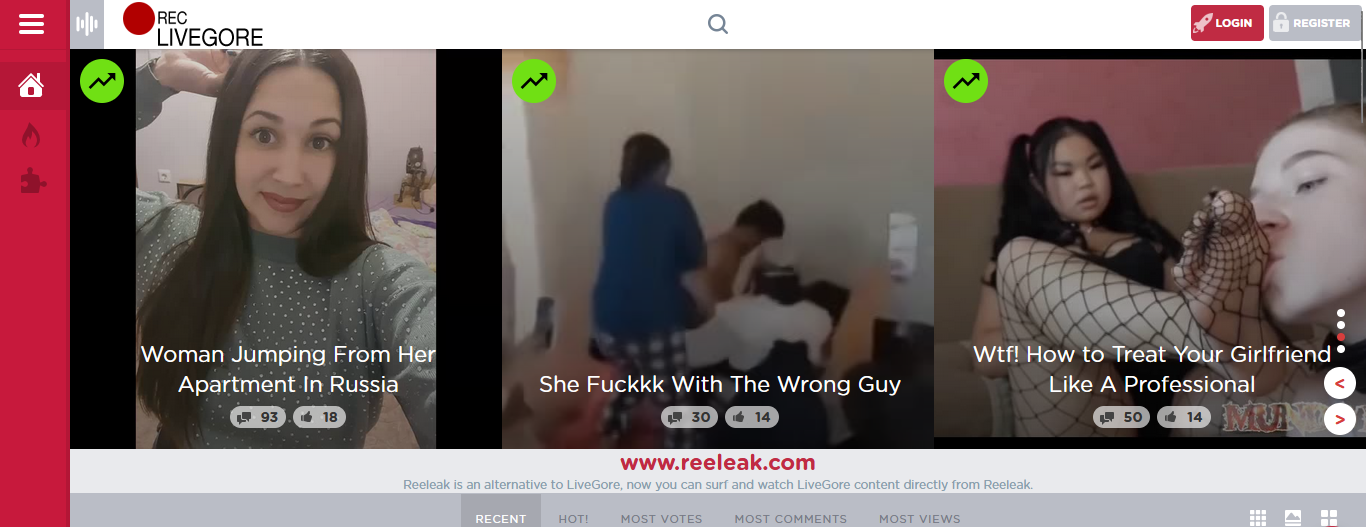
LiveGore is an online platform primarily focused on streaming and sharing extreme and gory content, attracting a niche audience with its unique offerings. The platform serves as a hub for enthusiasts of the gore and death genre, facilitating user-generated content alongside a selection of curated media that ranges from horror films to real-life events often categorized under the term livegore. This blend of content allows users to engage with the most intense aspects of cinematic horror and real-world depictions of gore.
The primary function of LiveGore is to provide viewers with a curated experience that combines graphic visuals, storytelling, and visceral sensations. The platform’s user interface often highlights trending content, allowing members to easily find the most popular and shocking pieces that resonate with their interests.
LiveGore’s appeal lies in its ability to create a sense of community among those who have a fascination with gore and death. As a result, the site gathers not only thrill-seekers but also those interested in the sociocultural implications of gore and its impact on personal perceptions of fear and morality.
The Community Behind LiveGore
Users of this platform are often passionate individuals who share a fascination with the macabre, embracing a niche interest that can be both controversial and captivating. From thrill-seekers looking for adrenaline to social connections based on shared interests, the community serves various purposes for its members.
These platforms provide a space for individuals to voice their interpretations of the materials, thereby enriching the overall experience. Users often upload recommendations, link to live streams, or discuss their insights into specific gore-centric films, videos, or artwork, contributing to a collective knowledge-base.
The demographics of LiveGore’s user base tend to skew toward younger adults, particularly those aged between 18 to 35, reflecting the cultural trend where younger generations frequently engage with extreme content. However, the community is not exclusive; it welcomes a wide array of participants, including veterans of the horror genre and newcomers alike. This blend often leads to dynamic interactions, where seasoned users mentor those still exploring the boundaries of gore and death-themed media.
Additionally, the community’s reliance on user-generated content fosters a sense of camaraderie among members. As they exchange their views, interests, and experiences, they create a tight-knit environment where ideas flourish. Ultimately, LiveGore not only serves as a platform for extreme entertainment but also as a forum for community building among those fascinated by the darker aspects of human nature.
Ethics and Controversies Surrounding LiveGore
The rise of platforms like LiveGore has generated significant discussion regarding the ethical implications associated with the streaming of graphic content. As users engage with gore and death in real-time, concerns surrounding the boundaries of free expression come to the forefront. Advocates for absolute freedom of speech argue that individuals should have the right to view and share content, regardless of its graphic nature. However, this perspective is challenged by those who believe that certain materials can desensitize viewers or promote violence, leading to a societal desensitization to death and suffering.
Legal implications are also a key consideration. Many regions have strict laws regarding the dissemination of explicit content, particularly when it involves real gore or violence. Platforms must navigate complex legal landscapes, which may differ significantly from one jurisdiction to another. Failure to comply with these regulations can result in severe ramifications for site operators. Therefore, LiveGore must establish robust content moderation policies to ensure compliance while also maintaining an open platform for expression.
Furthermore, societal groups often respond with concerns about the potential impact of gore-filled content on mental health and societal norms. Mental health advocates warn that exposure to continuous streams of graphic content can lead to psychological distress or desensitization.
In order to address these ethical dilemmas and controversies, platforms like LiveGore should foster open dialogue with their users, promote responsible consumption, and refine their strategies for handling sensitive content. Balancing free expression with the need for ethical responsibility is essential as society continues to engage with the evolving dynamics of graphic content online.

The Impact of Gore on Media Consumption
The rise of LiveGore as a distinct genre within the streaming landscape has significantly influenced how audiences engage with media, particularly in the realms of horror and extreme content. As viewers increasingly gravitate toward visceral experiences, platforms offering gore and death-related content cater to a niche community that thrives on the adrenaline rush associated with extreme visuals. This phenomenon has transformed the way content creators approach themes of violence, horror, and realism in their works.
LiveGore, by its very nature, pushes boundaries and challenges societal norms regarding media consumption. It offers audiences a chance to confront their fears and curiosities in a controlled environment, which is often absent from traditional entertainment formats. This exposure can lead to desensitization towards real-life violence, shaping public perception in ways that merit critical examination. While some argue that LiveGore and similar content could normalize brutal imagery and attitudes towards violence, others contend that it serves as a form of catharsis, allowing individuals to explore darker themes safely.
The implications of LiveGore extend beyond individual viewing experiences; they also contribute to broader trends within horror culture and streaming services. As platforms recognize the demand for access to live-streamed extreme content, they adjust their business models accordingly, resulting in fierce competition among providers looking to cater to these unique preferences. Additionally, community engagement surrounding LiveGore content fosters conversations about the nature of fear, art, and the ethical considerations tied to depicting extreme violence.
Ultimately, the integration of LiveGore into the media landscape represents a complex interplay between entertainment, societal values, and viewer psychology. As audiences continue to engage with gore and death in various forms, the ongoing evolution of this genre will shape not only future media consumption trends but also the general discourse surrounding violent content in society.