Bobby Brown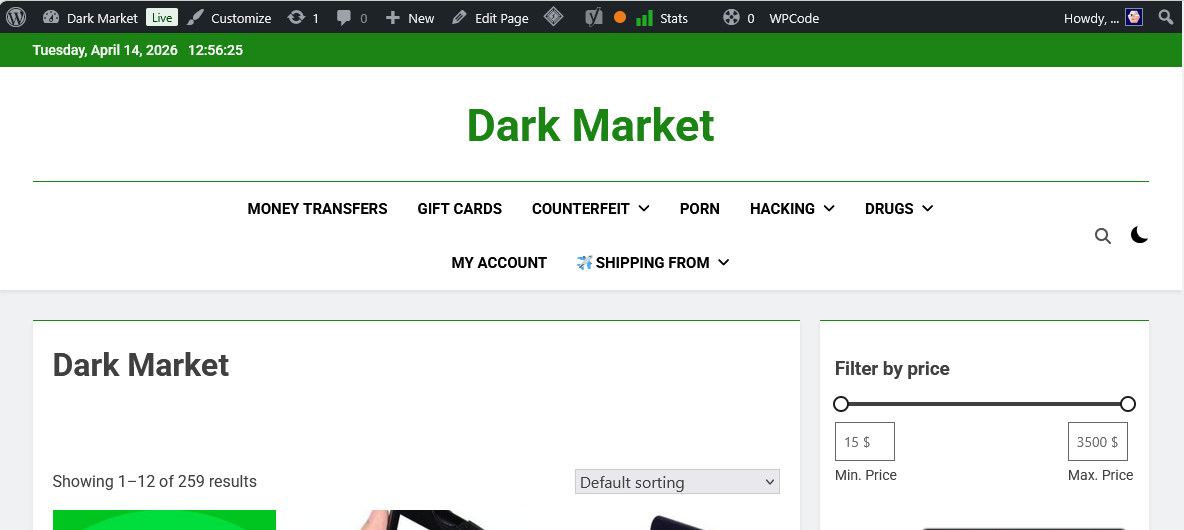
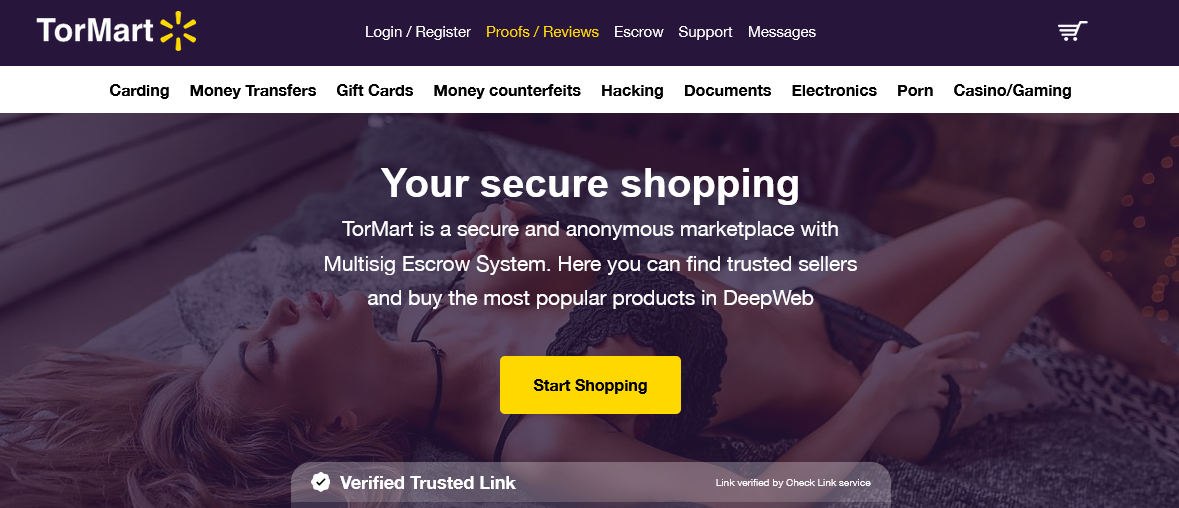
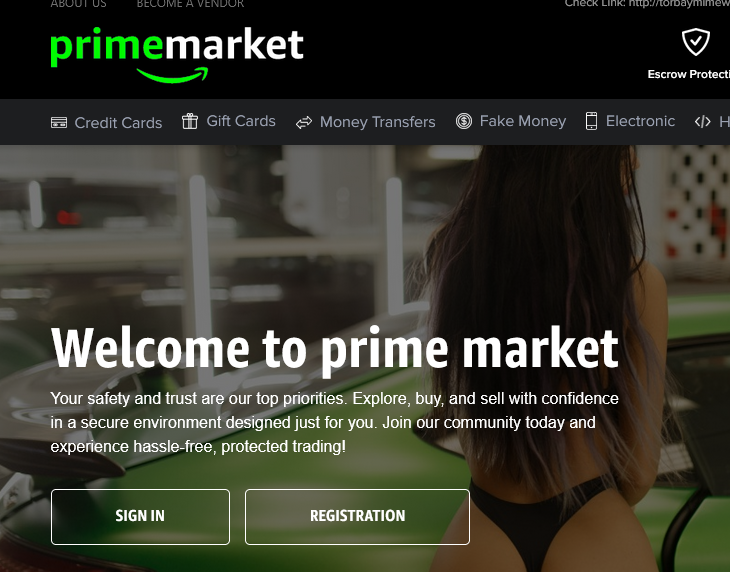
dark market, often referred to as a dark web marketplace, operates within the concealed arenas of the internet known as the dark web. Unlike the surface web, which comprises the websites and platforms accessible through standard search engines like Google, the dark web requires specific software such as Tor to access its sites. This separation provides a shielded environment where anonymity is paramount, fostering transactions that would otherwise be illegal or considered unacceptable in mainstream society.
The functionality of dark markets stems from the lack of regulation and oversight that characterizes this clandestine segment of the web. Users can buy and sell a variety of goods and services that typically include illegal substances, counterfeit items, hacking services, and stolen data.
It is essential to differentiate between the dark web and the surface web. The surface web consists of readily available information, easily accessed through conventional browsers without any specialized software.This obscured nature of the dark market presents significant challenges regarding trust and security among users, as fraud and scams are prevalent phenomena.
Overall, dark markets exist as a reflection of both technological advancement and socio-economic factors, creating spaces where illicit trade thrives. Understanding the operational dynamics of these markets can provide valuable insights into broader discussions regarding internet regulation, privacy, and criminal activity in the digital age.
Types of Products and Services Offered on Dark Market
The dark market is notorious for providing a wide range of illegal goods and services. Each category has distinct characteristics that reflect the secrecy and anonymity inherent in dark market transactions.
Drugs are perhaps the most well-known offerings on dark markets, with sellers listing everything from prescription medications to illicit substances. Various marketplaces accommodate different types of drugs, catering to both casual users and serious consumers, influencing accessibility based on user experience and the platform’s reputation.
Counterfeit goods represent another significant sector within dark markets. Here, consumers can find a wide array of items ranging from luxury brand clothing and accessories to electronics. Sellers frequently create convincing replicas of popular products, often providing images and customer reviews to entice buyers. These items appeal to individuals looking for perceived luxury at a lower price point, highlighting the dark market’s role in promoting counterfeit trade.
In addition to tangible items, dark markets facilitate money transfer services, enabling users to exchange cryptocurrency discreetly. This is particularly appealing to those engaged in illegal activities, allowing for anonymous transactions. Furthermore, hacking services are increasingly prevalent, providing services such as data breaches, distributed denial-of-service (DDoS) attacks, and personal information theft. These services often come with varying price points, catering to different levels of technical expertise among buyers.
Trust and Reputation in Dark Market
Within the elusive realm of dark markets, trust and reputation serve as crucial pillars that underpin transactions and interactions among users. Unlike conventional e-commerce platforms, where buyers and sellers often have access to regulated environments, individuals participating in dark markets must rely on various mechanisms to establish credibility. One prevalent method is the use of escrow services, which act as intermediaries to safeguard funds during a transaction. These services help assuage fears of fraud by holding the payment until both parties fulfill their obligations, thereby fostering a sense of security.
User reviews also play a significant role in determining seller reputability. Buyers often share their experiences on forums, providing feedback about their transactions. Positive reviews can propel a seller’s standing, attracting more customers. Conversely, negative feedback can rapidly tarnish a seller’s reputation, leading to decreased sales and eventual exclusion from the market. This system of public accountability helps maintain a degree of order within the inherently chaotic ecosystem of the dark web.
Community feedback is another essential aspect of establishing trust. Many dark markets feature forums where users discuss not only their purchasing experiences but also share warnings about dubious sellers. Active participation in these discussions enables potential buyers to make informed decisions based on collective experiences.
Ultimately, the intricate interplay of escrow services, user reviews, and community feedback forms the backbone of trust within dark markets, allowing them to operate in a space where traditional governance and oversight are absent. Through these mechanisms, buyers can assess risk, leading to more informed choices in a sector that thrives in anonymity.
The Risks and Consequences of Engaging with Dark Market
Engaging with dark markets presents numerous legal and personal risks that individuals should carefully consider. Primarily, participating in these illicit online platforms can attract significant law enforcement scrutiny. Law enforcement agencies across the globe have increased their efforts to track and enforce laws against users and operators of such platforms, often employing advanced digital investigation techniques to unmask identities.
Aside from legal repercussions, the risk of falling victim to scams is acute in dark markets. Users might encounter fraudulent sellers who misrepresent products or services, resulting in financial losses or exposure to harm. The anonymity that dark markets purportedly provide can become a double-edged sword; while it protects some users from legal penalties, it also facilitates untrustworthy interactions that can exploit unsuspecting customers.
Moreover, safety concerns related to cybersecurity are paramount for anyone exploring the dark web. The anonymity of such markets can result in harmful entities targeting users, leading to potential identity theft or malware infections.
Ethically, pose substantial questions about their impact on society. They often contribute to the proliferation of illicit goods, leading to adverse health and safety outcomes for communities. Engaging with these platforms can perpetuate cycles of crime, drug abuse, and societal instability. Understanding the full scope of risks associated with dark markets is crucial for anyone contemplating participation in such risky ventures.